
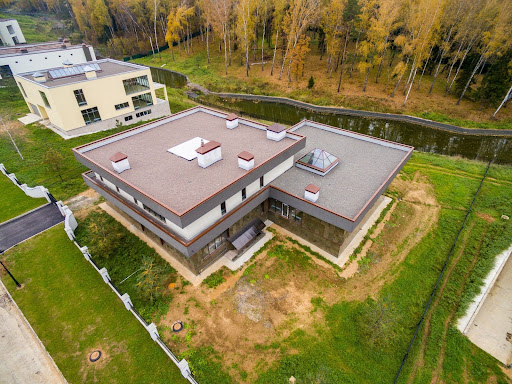
For many families who desire space, seclusion, and the ability to create their ideal home, building a custom house on Texas acreage remains a dream. In the Greater Houston area, this dream is usually accompanied by an important initial question about the price. As home builders in Houston with strong local connections, G&R Builders believes that understanding the pricing factors is vital to choosing the right path and being confident in one's choice. Custom homes on land vary widely, and prices differ significantly based on the land's location, design, material quality, and future objectives.
Texas is a premium location for custom buildings. Large tracts of land, minimal zoning restrictions in the countryside and near cities, and a wide range of styles together offer opportunities for fully customized houses. On the other hand, these same benefits come with cost factors that must be planned carefully. The best approach is to be open, develop a practical budget, and have an experienced project manager. These factors will determine whether the construction process is smooth or stressful.
Average Cost of Building a Custom Acreage Home in Texas
In Texas, the total expense of building a single house on a big lot generally ranges between $200 and $400 per sq ft. With luxurious specifications and additions pushing the price even higher. For example, a 3,500 sq ft tailor-made house can cost at least $700,000, and sometimes more than $1.4 million, for the building alone, excluding land costs. Additionally, the budget for acreage home construction often increases due to factors such as additional site preparation, extended utility connections, and improved infrastructure.
Custom acreage homes are not like production homes. They are made from the ground up. Every choice made regarding the design, ceiling height, exterior materials, and energy systems will affect the price. The objective is not just to construct a building, but to produce a home that lasts and is in harmony with the design, durability, and value.
Factors That Influence the Cost of Building a Custom Acreage Home in Texas
Land and Site Preparation Costs
Land costs are a significant share of the total cost of an acreage home. Even though rural land may be cheaper per acre, more investment would usually be required to prepare it for development. Some common requirements include removing trees, leveling the land, and ensuring good drainage. Soil testing and engineering are equally essential in Texas, where expansive clay soils can affect foundation design.
Utility access is yet another significant factor. Properties with large areas may require septic systems, wells for water, propane tanks, or additional infrastructure. These items may increase the project budget, but they are necessary for a home that works, is up to code, and complies with the law. If planning is done properly at this stage, then there will be no surprise costs in the future.
Design, Size, and Architectural Complexity
The design stage is when the dream aligns with the budget. Naturally, bigger houses are more expensive, but the difficulty has an equally great impact. Open layouts, high ceilings, custom staircases, and large outdoor living areas all increase material and labor costs. Homes on larger lots usually come with amenities such as wraparound porches, detached garages, workshops, or guesthouses, which collectively increase the investment required.
Another factor to consider is the architectural style. The modern farmhouse, the transitional estate, and the traditional Texas ranch house each have their own requirements regarding the types of materials and construction methods. Custom-made designs offer flexibility but also require a skilled architect to translate ideas into plans that are both practical and within the client's budget.
Materials and Finish Selections
Material choices when building a custom house on a lot have the greatest impact on overall cost. Material prices for the foundation, roof, windows, and insulation significantly affect not only upfront costs but also utility expenses over the house's lifetime. The upfront cost of energy-saving windows, spray-foam insulation, and metal roofing may be higher, but they gradually offset this disadvantage through the savings and long life they offer.
The budget is properly shaped by the interior finishes. The application of custom cabinetry, natural stone countertops, hardwood flooring, and designer lighting not only adds but also elevates the home‘s aesthetic further. These finished have a critical point: balance and discernment. In determining which finishes go together with lifestyle needs, resale value, and maintenance expectations.
Labor, Timeline, and Project Management
In Texas, labor costs differ depending on place, demand, and the difficulty of the project. Acreage houses typically require specialized trades and longer construction timelines due to their size and customization. Also, weather, supply chain conditions, and permitting can influence schedules and costs.
With effective project management, even tight timelines are met, and the same applies to the budget. Bringing together architects, engineers, designers, and trade professionals requires both experience and clear communication. For example, a well-managed project, supported by a timeline, will result in fewer delays and less waste, reducing unnecessary costs for the client.
Long-Term Value and Operating Costs
The primary cost issue is the first consideration, but long-term value must still be taken into account. The use of energy-efficient systems, durable materials, and careful layout provides comfort and reduces operating expenses. Homes built with sustainability often have lower utility costs and higher resale value.
Also, Texas homeowners get the advantage of building homes that fit into the future. Flexible areas, aging-in-place features, and smart home technology not only enhance the initial estate but also make it more suitable for longevity.
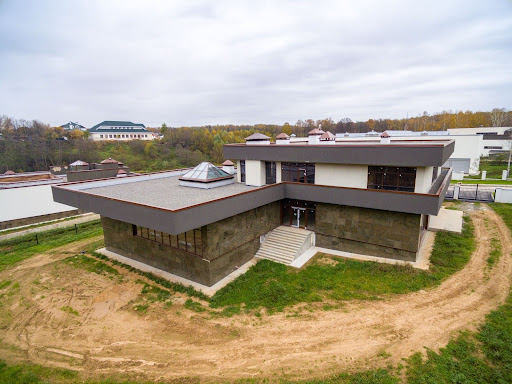
Why Opt for G&R Builders for a Custom Acreage Home?
Choosing G&R Builders means you're partnering with a collaborator who prioritizes trust, openness, and excellence. We treat the project for a large mansion and that for a well-designed family house alike. Detail, honesty, and a long-standing reputation for dependability are the hallmarks of each house's construction.
Delivering on time and within budget is not a mere phrase but a strict practice. The whole process, from planning to completion, is made less stressful through clear communication, realistic budgeting, and proactive problem-solving. Each house is built to last. Our custom homes also meet the requirements and expectations of the modern era.
Conclusion
The cost to build a custom residence in Texas is influenced by the land condition, design, materials, and the project manager. Although each case has its own budget, the importance of employing experienced professionals cannot be overstated. An appropriately crafted custom house is already an investment in comfort, lifestyle, and future satisfaction. For families seeking stability, quality work, and local knowledge, custom home builders in Houston are essential. Whether you’re planning a full build or a home renovation in Houston, relying on trusted experts ensures your acreage dreams become a reality.
FAQs
Does building on acreage cost more than building in a subdivision?
In many cases, yes. Acreage homes may require additional infrastructure such as wells, septic systems, and longer driveways, which increase costs.
How long does it take to build a custom acreage home?
Timelines typically range from 10 to 16 months, depending on design complexity, permitting, and site conditions.
Can costs be controlled during a custom build?
Yes. Detailed planning, transparent communication, and experienced project management help keep projects on schedule and within budget.
Why is a local builder important for acreage homes?
Local builders understand soil conditions, permitting requirements, and regional construction challenges, which leads to better planning and fewer surprises.