
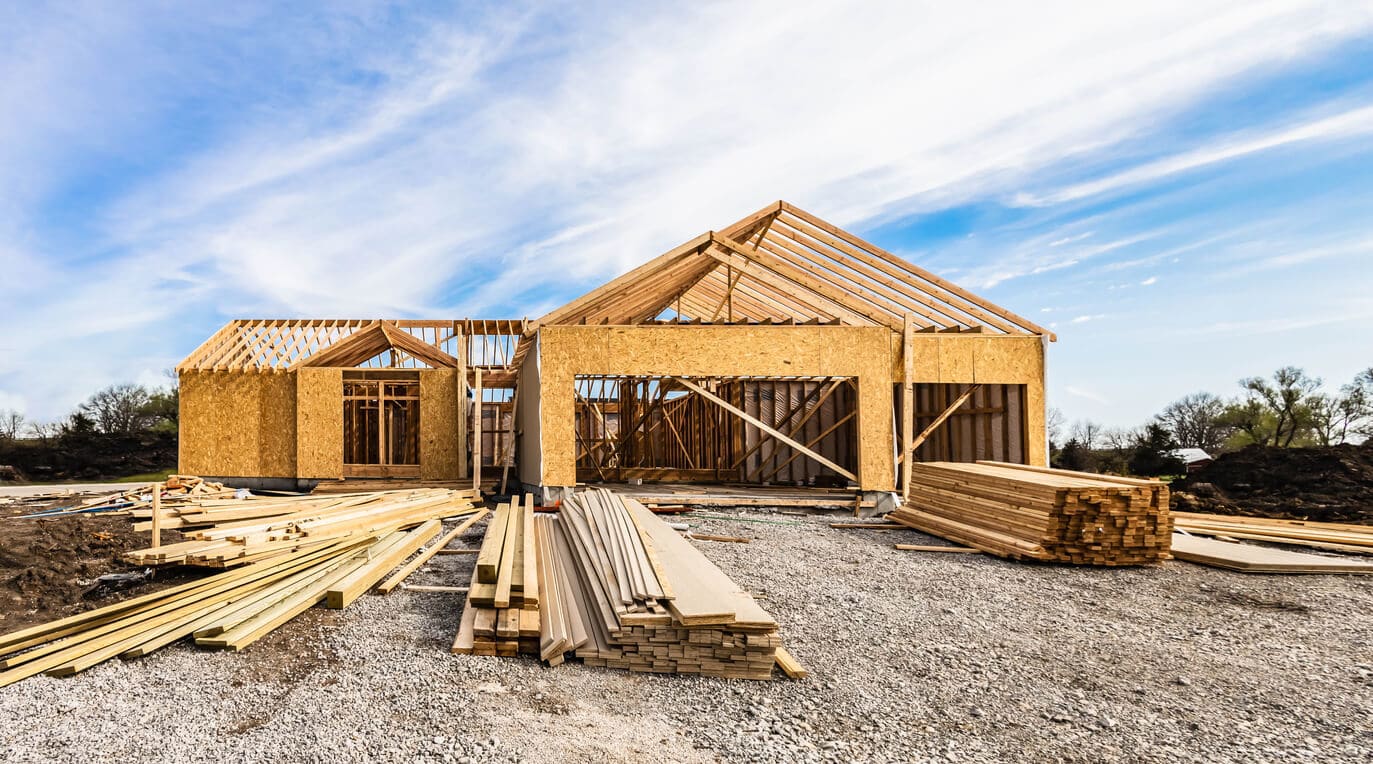
Building a custom home on your own land is one of the most rewarding ways to create a home that fits your lifestyle, your budget, and the Texas land you already love. Whether your property is in The Woodlands, Conroe, Magnolia, Spring, Tomball, Montgomery, or Willis, building on your lot gives you complete control over design, size, and long-term value.
However, the process involves multiple steps—site evaluation, planning, permitting, budgeting, and working with a qualified Texas builder who understands the land and local regulations.
This guide walks you through the entire process so you can start your build with confidence.
What Does “Build on Your Lot” Mean?
When you build on your own lot, you already own the land, and the builder designs and constructs the home directly on your property.
This gives you flexibility in:
- Home size
- Architectural style
- Budget
- Placement on the property
- Acreage or rural homes
Builders like G&R Builders specialize in taking raw land and turning it into a move-in-ready home through a proven, transparent process.
Learn more: 👉 Our Process
Step-by-Step Process of Building on Your Lot in Texas
Here is what homeowners can expect from start to finish:
Step 1: Site Evaluation & Land Analysis
Before any plans are created, the builder must evaluate the land.
This includes:
- Soil testing (to determine foundation type)
- Topography & grading
- Drainage & elevation
- Availability of utilities (water, sewer, electric, septic)
- Easements & setback requirements
- Access roads & driveway placement
Texas counties vary widely in soil conditions—especially Magnolia, Conroe, and Montgomery—so this step affects both cost and design.
Step 2: Designing Your Home
After confirming your land is suitable, the design phase begins.
Includes:
- Floor plan selection or custom design
- Architectural drawings
- Structural engineering
- Exterior elevations
- Energy efficiency planning
- Room-by-room customization
For inspiration, see:
👉 Our Services
Step 3: Budget Planning and Cost Breakdown
Your budget depends on:
- Home size
- Materials and finishes
- Foundation needs
- Utility preparation
- Land clearing & grading
- Garage, patio, porches
- Permits and inspections
Texas 2025 average cost to build on your lot:
$140–$300+ per sq ft, depending on location and selections.
Budget Tip:
Have a 10–15% contingency for unexpected land preparation costs.
Step 4: Permits & Approvals (County-by-County)
Every Texas county has its own rules. Most homeowners need:
Common Required Permits- Construction permit
- Septic permit (if applicable)
- Well permit (if no city water)
- Driveway/culvert permit
- Foundation engineering approval
- Energy compliance certificate
- Floodplain certification (if located in flood zone)
Your builder handles these, but clear communication is essential.
Step 5: Site Prep & Foundation
Once permits are approved, construction begins.
Site prep includes:
- Clearing trees and brush
- Leveling and grading
- Installing utilities
- Prepping the foundation area
Foundation type depends on soil:
- Slab-on-grade (most common in Texas)
- Pier & beam (uneven land or poor soil)
Step 6: Framing, Roofing & Exterior
This stage forms the structure of your home:
- Wall and roof framing
- Exterior sheathing
- Roofing installation
- Windows & exterior doors
Architectural features like vaulted ceilings or complex rooflines can increase cost but add value.
Step 7: Interior Construction
Major interior elements include:
- Electrical, plumbing & HVAC
- Insulation
- Drywall
- Cabinets & countertops
- Flooring & tile
- Trim, paint & fixtures
Most customization happens here.
Step 8: Final Inspections & Move-In
After construction is complete:
- Inspections are performed
- Utilities are finalized
- Punch-list fixes are completed
- Final walkthrough with the builder
Then you’re ready to move into your custom Texas home.
Texas Land Evaluation Guide: What Homeowners Must Check First
Texas land varies drastically—especially between rural and suburban properties. Before building, confirm:
1. Soil Type
Clay-heavy soil (common in Montgomery County) may require foundation upgrades.
2. Drainage
Poor drainage = higher grading costs.
3. Tree Coverage
More clearing = more cost.
4. Flood Zones
Check FEMA maps before building.
5. Utility Access
If no utilities are present:
- Septic system
- Well water
-
Electrical connection
will add to your budget.
Common Mistakes Homeowners Make When Building on Their Lot
Avoid these costly errors:
Mistake 1: Choosing a builder without land experience
Lot challenges require a builder experienced in land prep, drainage, and engineering.
Mistake 2: Not budgeting for land-clearing & utilities
Many owners underestimate site prep costs.
Mistake 3: Designing the home before evaluating the land
The land should ALWAYS influence the design.
Mistake 4: Ignoring county restrictions
Setbacks, easements, and environmental rules can change the entire layout.
Mistake 5: Trying to DIY project management
Managing subcontractors leads to delays and expensive mistakes.
Where We Build in Texas
We proudly build custom homes on your land across:
- The Woodlands
- Conroe
- Magnolia
- Spring
- Tomball
- Montgomery
- Willis
Ready to Build on Your Land in Texas?
If you already own your lot, you’re halfway there.
Our team can evaluate your land, create a custom design, and guide you through every step—from permits to move-in day.
Start your project:
👉 Contact us
FAQs: Building on Your Own Lot in Texas
1. Is it cheaper to build on my own lot?
Yes. If your land is already purchased, you remove one of the largest costs. However, site prep and utilities will influence final pricing.
2. How much does it cost to prepare land before building?
Most Texas land prep ranges from $5,000 to $25,000, depending on clearing, grading, and utility access.
3. Do I need to hire an architect?
Not always. Many plans are handled through your builder or in-house design team. Custom builds may require engineering approvals.
4. How long does the process take?
Most “build on your lot” homes take 8–14 months, depending on weather, permitting, and design complexity.
5. Can you build a custom home on rural Texas land?
Yes—rural builds are common, especially in Magnolia, Montgomery, and Willis. Septic and well installation may be required.
6. What is the first step?
A land evaluation. It determines foundation type, utility needs, and overall budget accuracy.