
Smart home construction is more than adding the latest devices. It requires careful planning to ensure the infrastructure supports evolving technology. Without proper preparation, upgrades later can be disruptive and costly. Kitchen remodeling in Houston with a clear strategy allows systems to grow seamlessly, ensuring convenience, efficiency, and long-term value. A well-designed smart home should integrate technology into the very framework of the house, not as an afterthought.
The Foundation of Smart Home Technology
Smart home systems begin with wiring. Wi-Fi alone cannot support multiple devices reliably. Hardwired connections provide stability and scalability, ensuring performance even with dozens of devices connected.
- Run Cat6 cables to each room during framing.
- Install deep junction boxes to accommodate smart switches.
- Plan for a central “technology closet” for routers and servers.
- Ensure electrical panels have capacity for future upgrades.
This foundation is critical. Without it, even the most advanced devices will struggle to deliver consistent results.
Why Home Automation Needs a Strategy
Automation should simplify daily routines. Systems must integrate smoothly, avoiding the need for multiple applications or constant troubleshooting. A clear strategy ensures that devices communicate effectively and remain functional under different conditions.
- Select one ecosystem to ensure compatibility.
- Prioritize local control so systems function even without internet.
- Assess each room’s requirements before installing devices.
- Test systems during construction to identify issues early.
Strategic planning prevents frustration and ensures that automation enhances daily living rather than complicating it.
Essential Smart Home Features to Include
Focus on features that enhance security, efficiency, and comfort. Not all devices add meaningful value, so prioritize those that deliver measurable benefits.
- Smart locks to monitor access.
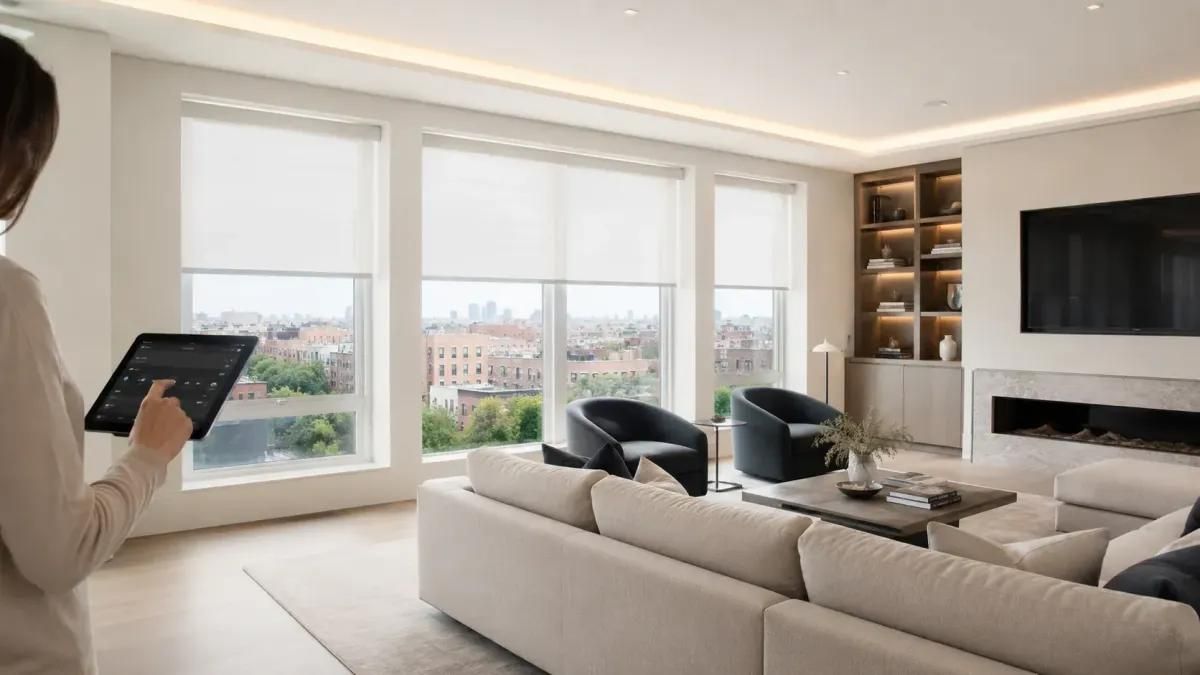
- Automated shades to manage heat gain.
- Leak sensors near water heaters prevent damage.
- Integrated security cameras for peace of mind.
These features provide practical advantages, from reducing energy bills to protecting property.
Planning for Custom Home Construction
In custom home construction, collaboration with the builder is critical. Placement of sensors, cameras, and outlets must be determined before construction begins. Retrofitting later is complex and expensive, often requiring significant modifications.
- Share electrical plans with the builder early.
- Ask about energy-efficient systems compatible with smart hubs.
- Weatherproof outdoor wiring for cameras and sensors.
- Budget for hidden infrastructure such as conduit and shielding.
Early planning ensures that smart systems are seamlessly integrated into the home’s design.
Avoiding Future Headaches
Technology evolves quickly. Building flexible infrastructure ensures upgrades remain simple and cost-effective.
- Keep wiring schematics for future reference.
- Avoid proprietary systems that restrict flexibility.
- Invest in professional-grade routers for reliability.
- Place security devices on a dedicated, secure network.
By planning for adaptability, homeowners can upgrade devices without major renovations, keeping the home current with technological advances.
Partnering with G&R Builders
At G&R Builders, we understand smart home construction requires more than installing devices. Our team ensures our infrastructure is ready for long-term growth. Our extensive experience in technology-integrated builds ensures that we handle everything from wiring to infrastructure and coordination, allowing homeowners to focus on what they want to build. When it comes to home renovations in Houston, our knowledge ranges from new construction to upgrades, so your home will work just as you need it to. We offer recommendations for energy-efficient systems, secure networks, and future-proof designs, ensuring our clients can enjoy modern, dependable homes.
FAQs
Does G&R Builders handle the wiring for smart home construction projects?
Yes. We handle the infrastructure side of building a smart home. During the Custom home construction process, our team works with specialized subcontractors to ensure the home is properly wired. This preparation ensures that data cables and conduits are properly installed without the need for additional wiring later and allows your home to be ready for more sophisticated systems.
Is it expensive to add automation during the build?
It is much cheaper to add automation to the construction site than to incorporate it later in the construction process. Open walls allow for easy and inexpensive wiring. Post-completion delays increase labor costs and complexity. Making these investments now will save you money in the future and spare you the hassle of renovating while relocating.
What do I do if my smart home system fails?
Having a strong physical network infrastructure means that total system failure is not possible. The critical functions, such as security and climate control, still work even without Wi-Fi. We'd suggest adding manual overrides to give homeowners control in any scenario.
How can I ensure that my home network is secure?
Security of the network is critical. For best results, professional-grade routers are recommended rather than standard consumer-grade routers. Set up separate network segments for personal devices and smart systems to provide additional protection. This separation helps protect sensitive data and ensures the proper functioning of smart devices.
How often will I need to upgrade my smart tech?
Infrastructure like wiring should last for decades. A typical device and software, however, need an update every 5-7 years. Planning for flexibility and using high-quality cabling ensures that upgrades are easy. This way, you can keep your home up to date with advancements in technology without having to break the bank for a rebuild.