
Owning land and wanting to build on it feels great. Still, the first moves can feel foggy. Where do you actually start? This piece lays out the early steps that matter most. You check the lot, get real about money, and line up help that knows the area. Plenty of people bring in custom home builders right away. That call often sets the tone for everything after. The points below stay practical so you can take action instead of spinning your wheels.
Look at Your Lot and the Local Rules
Walk the property yourself first. Notice the slope, any low spots that hold water, and big trees you want to keep. Then call the planning office. Ask straight about zoning, how far the house must sit from the lines, and whether the land sits in a flood zone. If you're building on your own lot in Texas, understanding these site and permitting requirements early can help avoid problems later.
Get a survey if yours is old. It marks the real boundaries and any easements that limit where you can build. Soil testing comes next. Soft or shifting ground can force foundation changes that cost real money later.
Utilities matter too. See if water, power, and sewer or septic already reach the site. Extending them adds up fast, so know the numbers early.
Get Honest About Budget and Timing
Write down every high cost. Land work, foundation, framing, systems, finishes, plus a cushion of ten to fifteen percent. Prices move, so that buffer saves stress. If you need a construction loan, talk to the bank early. These loans release money in stages. Know what paperwork they want and how the draws work.
List your must-haves versus the nice extras. A larger kitchen might mean a smaller outdoor area. Putting priorities on paper makes the hard choices clearer when the numbers tighten.
Pick Design Direction and the Team
Rough sketches help, but most places want stamped plans. Share how you actually live. Open spaces? Extra storage? Better energy use? Clear talk early cuts down on redraws. Planning a custom home design around your daily needs can also make it easier to communicate your priorities before construction begins.
Talk to a few builders. Ask how many jobs they have done on lots like yours. Look at finished homes and call past clients. The custom home building process runs cleaner when the team communicates without drama. Compare full proposals, not just the bottom number. A cheap bid often leaves out work you will still need to pay for later.
Permits and Getting the Site Ready
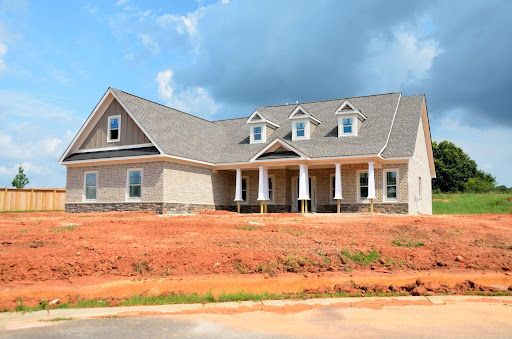
Once plans lock in, submit the permit package. This can take weeks. Your builder usually handles the forms, but check the status yourself so nothing sits. Clear the land carefully. Save the trees you care about. Grade for drainage so water does not pool against the future foundation. Counties often require temporary roads and erosion control, so plan for those.
Utility hookups usually happen around the same time. Coordinate so power and water show up when the crew needs them.
Early Moves Worth Doing
- Confirm zoning and setbacks with the local office
- Order a current survey and soil report
- Line up financing before you go too far
- Talk to two or three builders and check their recent work
- Lock the basic floor plan before full engineering starts
These pieces form the core of solid home construction services. Handle them early, and most big headaches stay away.
Local Know-How Makes a Difference
Many areas around Houston have clay soil, heavy rain, and sometimes HOA rules. A crew that already knows the inspectors and common requirements moves faster. They catch issues an out-of-town company might miss. Look for someone who handles full custom home building services and home renovations in Houston, not just one part of the job. One team coordinating everything usually means fewer gaps and less finger-pointing.
From Paper to Breaking Ground
After permits clear and contracts are signed, the real work starts. A pre-construction meeting sets the schedule, communication plan, and how you'll handle changes. Weekly check-ins keep everyone aligned. Weather delays happen here. A realistic timeline builds in extra days instead of promising speed that never shows up.
Ask questions the whole way. No one expects you to know every detail. A good custom home contractor explains options in plain talk and gives you room to decide. At G&R Builders, we walk people through these exact early steps on lots across the area. Check our website to see how we handle builds from the first site visit forward. We keep the process clear and practical.
Building on your own land takes some upfront work, but the result is a house shaped around the way you live. Get the first steps right, and the rest of the project has a better shot at staying on track. If you need a custom home builder in Houston who also handles home renovations, the early planning stage is the best time to start the conversation.
FAQs
What does G&R Builders check first when starting the custom home building process on a client’s lot?
We walk the full property with you. We look at drainage, soil feel, tree locations, and access. We also talk through setbacks and any limits already on the land. That first pass flags possible costs and design limits before we go deep into drawings. You leave knowing what the lot can handle and what the next moves should be.
How long do permits usually take for a home on private land?
It depends on the county and how complex the plans are. Some simpler jobs clear in four to six weeks. Busier times or bigger designs can stretch longer. We submit complete packages and follow up so the file doesn't sit. Starting the application as soon as plans are ready keeps the overall calendar tighter.
Do I still need an architect if I already have rough drawings?
Rough ideas help, but most offices want stamped plans from a licensed pro. An architect who knows local rules turns your thoughts into drawings the inspectors will accept. They also catch problems that could cause delays or expensive fixes later. Bringing one in early usually costs less than fixing issues once building starts.
What should a construction loan cover when you already own the land?
Most loans cover the build itself and some site work. Lenders want detailed plans, a signed builder contract, and a clear draw schedule tied to inspections. Interest usually runs only on the money you have drawn. Talk to a lender who understands residential construction so the loan fits your timeline and cash flow.
How do change orders work after the job starts?
Any addition, cut, or material switch after the contract gets written up is a change order. We price it out and wait for your written okay before the crew does the work. Small shifts happen on almost every build. Keeping the process formal protects both the budget and the schedule.